A 6,000-mile service schedule may look sensible on paper. In Dubai, it can be too slow for a car that spends its week idling in traffic, crossing hot parking lots, and running its A/C at full output. The best car service intervals are not simply the numbers on a dashboard sticker. They account for your manufacturer’s requirements, the way you drive, your vehicle’s age, and the heat, dust, and stop-start traffic it faces.
That does not mean servicing a car unnecessarily. It means inspecting it early enough to catch wear before it becomes an overheated engine, weak A/C system, expensive transmission issue, or roadside breakdown. Good maintenance should protect your vehicle and your budget, not create surprise work.
Why Dubai changes the normal service schedule
Most vehicle manufacturers publish two schedules: normal use and severe use. Dubai driving often fits the severe-use category, even if your mileage is low. High ambient temperatures put extra strain on engine oil, cooling systems, batteries, tires, belts, hoses, and air-conditioning components. Sand and dust affect filters, brakes, and cabin air quality. Heavy traffic adds many operating hours without adding much distance to the odometer.
A car that drives 3,000 miles in open highway conditions is not experiencing the same wear as a car that covers 3,000 miles through city traffic with frequent idling and constant A/C use. This is why mileage alone can be misleading.
The owner’s manual remains the starting point, particularly for newer vehicles under warranty. But a sensible workshop should translate that schedule into your actual operating conditions. It should also inspect the car first, explain what is due and why, then separate essential work from items that can be monitored.
Best car service intervals: a practical baseline
For many cars in Dubai, a sensible baseline is a basic inspection and oil service every 5,000 to 6,000 miles, or every six months, whichever comes first. This is especially appropriate for vehicles used mainly in urban traffic, vehicles with turbocharged engines, and cars that make frequent short trips.
For some newer cars using approved long-life synthetic oil, the manufacturer may allow longer intervals. That can be reasonable when the vehicle is driven regularly, the correct oil specification is used, and the engine is healthy. It is not a reason to ignore warning lights, oil-level alerts, unusual noises, or a falling coolant level until the next scheduled appointment.
A routine service should involve more than changing oil and resetting a reminder. At minimum, it should include a visual check for leaks, brake wear, tire condition and pressure, fluid levels, battery condition, suspension play, lights, filters, and any stored fault codes. The exact scope changes by model, but the principle does not: inspection should guide the work.
Every 5,000 to 6,000 miles or six months
This is the right time for engine oil and filter replacement when required by your vehicle and driving conditions. It is also a useful interval to inspect brakes, tires, suspension, cooling hoses, belts, battery health, and air filters.
For drivers who cover low annual mileage, the six-month check still matters. Engine oil can degrade over time, batteries can weaken in heat, and tires can lose pressure or develop age-related cracking while a car sits. Low mileage does not automatically mean low maintenance.
Every 10,000 to 15,000 miles
At this stage, a more detailed service often makes sense. Depending on the vehicle, this may include replacing the engine air filter and cabin filter, rotating tires where applicable, inspecting brake fluid condition, and checking wheel alignment. Filters deserve attention in dusty conditions because a blocked engine filter can reduce efficiency, while a dirty cabin filter can make the A/C feel weak even when the system itself is functioning correctly.
This is also a good point to review tires closely. Heat, curb impacts, poor alignment, and uneven wear can shorten tire life. A tire with plenty of tread is not automatically safe if its sidewall is cracked or it is several years old.
Every 20,000 to 30,000 miles
Many vehicles need a deeper inspection around this point. Brake fluid may be due based on time rather than mileage. Spark plugs, transmission fluid, differential oil, coolant, and drive belts may also require inspection or replacement depending on the manufacturer’s schedule and the specific powertrain.
This is where generic service packages can become risky. A naturally aspirated Japanese sedan, a turbocharged German SUV, an American V8, and a hybrid or EV do not have identical maintenance needs. Transmission servicing, for example, must follow the correct procedure, fluid specification, temperature requirements, and fill level. Using a universal approach can cause damage rather than prevent it.
Every 40,000 to 60,000 miles
This range often includes major maintenance items, but the details vary sharply by brand and engine. Some cars may need spark plugs, coolant replacement, accessory belts, transmission service, or fuel-system work. Others may have longer-life components or manufacturer-specific requirements.
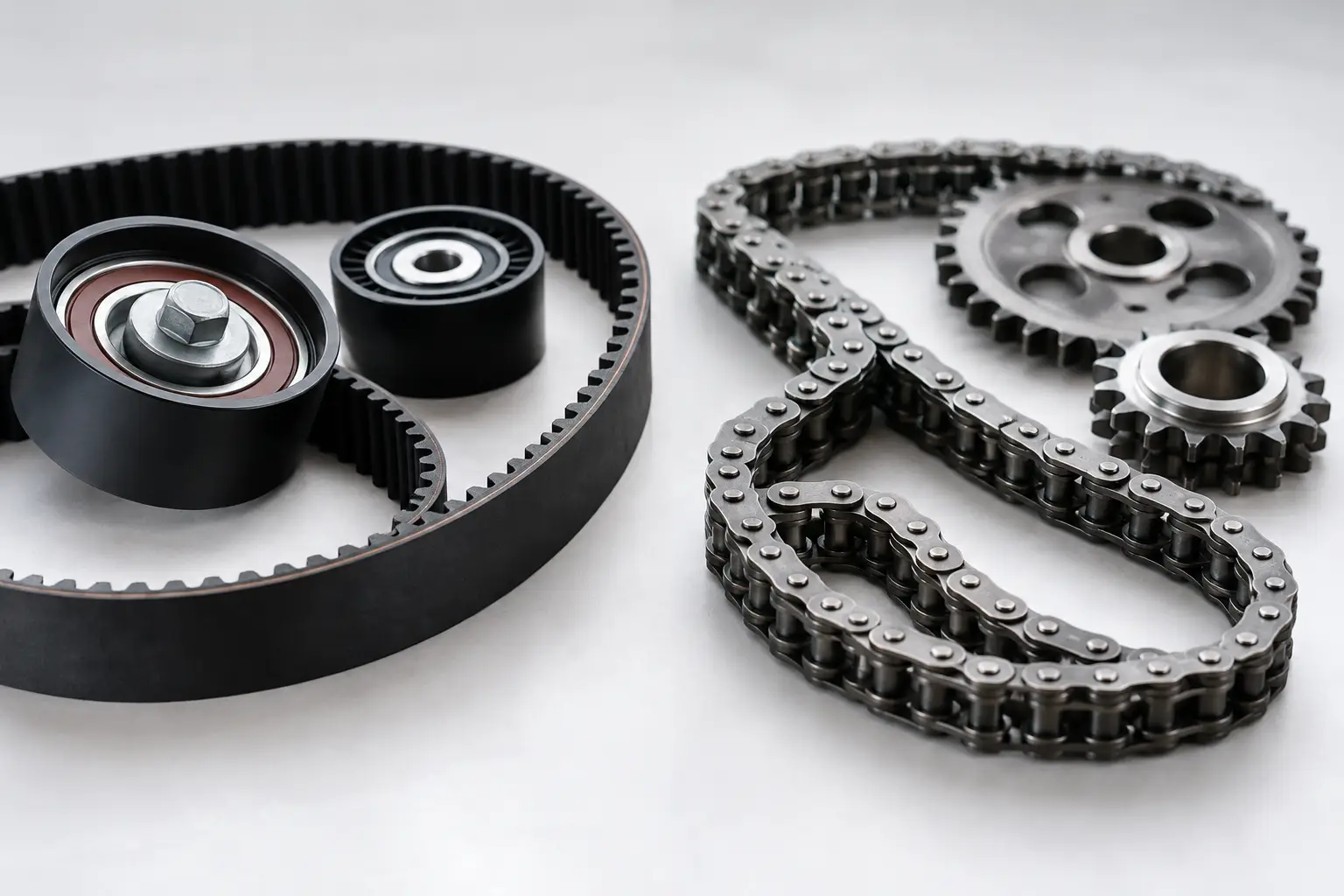
Timing belts need particular attention. Unlike a timing chain, a belt has a defined replacement interval on many engines, often based on both age and mileage. Delaying this job to save money can lead to severe engine damage if the belt fails. A timing chain is not automatically maintenance-free either. Chain noise, fault codes, poor oil service history, or startup rattles should be investigated promptly.
Time matters as much as mileage
A vehicle that has only traveled 12,000 miles in three years may still need brake fluid, coolant checks, a battery test, tire inspection, and possibly replacement of aging rubber components. Fluids absorb moisture, seals harden, and batteries deteriorate faster in extreme heat.
This matters especially for second cars, weekend luxury cars, and vehicles kept in covered parking for long periods. Short, occasional drives may not fully recharge the battery or bring the engine and exhaust system to normal operating temperature. In those cases, a time-based maintenance plan is usually more protective than waiting for a mileage target.
Warning signs that should not wait for a service
Scheduled maintenance is designed to reduce surprises, but it cannot replace a diagnosis when something changes. If the check-engine light appears, the engine temperature rises, the gearbox hesitates, the brake pedal feels different, or the A/C suddenly loses cooling, book an inspection rather than waiting for the next service interval.
The same applies to burning smells, fluid spots under the vehicle, steering vibration, clunking over bumps, slow starting, or an unfamiliar noise at startup. These symptoms may be minor, but they need evidence before anyone can say so. Replacing parts based on guesses is expensive and rarely earns trust.
A proper diagnostic process starts with the complaint, scans the vehicle where appropriate, tests the relevant system, and identifies the cause before quoting repairs. If additional work is found during service, you should receive a clear explanation and approval request before it is carried out.
How to avoid over-servicing and under-servicing
The right service interval protects against both extremes. Under-servicing means ignoring fluids, filters, and developing faults until the repair bill grows. Over-servicing means paying for replacements that are not due, not needed, or not supported by inspection findings.
Ask for the service recommendation in plain language: what is due by the manufacturer, what was found during inspection, what is urgent, and what can be monitored. Request a quote that separates parts and labor. If worn components are replaced, ask to see the old parts afterward. These are straightforward practices, and they make it easier to make a confident decision.
For fleet vehicles, consistency is especially valuable. A planned service record, recurring inspection points, and early reporting of driver concerns reduce downtime and make costs more predictable. The same logic applies to a family SUV that cannot afford to be unavailable during a busy week.
A service plan should fit the car you actually own
There is no single mileage number that works for every driver or every vehicle. The best approach is to use the manufacturer schedule as the foundation, shorten inspection intervals when heat, traffic, dust, or hard use justify it, and base additional repairs on clear findings rather than pressure.
At The Car Dr’s, that means diagnosis before pricing, a quote that separates parts from labor, and approval before newly discovered work begins. Your car should leave with the maintenance it needs, not a list of unexplained extras. A well-timed service is not just an appointment on a calendar – it is one of the simplest ways to keep your time, safety, and future repair costs under control.