A low oil-pressure warning at a traffic light, a tapping sound on startup, or smoke from the exhaust can make any owner fear the same thing: an expensive engine replacement. Low Cost Engine Repair is possible, but only when the problem is diagnosed properly before anyone starts replacing parts. The cheapest quote is not a saving if it misses the real fault.
At The Car Dr’s, the goal is to identify what has failed, explain what it affects, and give you a clear quote that separates parts from labor. If an inspection uncovers another issue after work begins, you decide whether to approve it. That is how an engine repair stays controlled instead of turning into an unexpected invoice.
What Low Cost Engine Repair Should Actually Mean
Low cost should not mean rushed work, used parts of unknown history, or a quick fix that returns you to the workshop a month later. It should mean avoiding unnecessary repairs while using the right solution for the vehicle, its mileage, and the fault found.
An engine warning light, rough idle, loss of power, overheating, or unusual knocking can all point to very different causes. A worn ignition coil, leaking gasket, damaged sensor, timing issue, cooling-system failure, or internal engine wear may create similar symptoms. Replacing major components before testing is where costs climb fast.
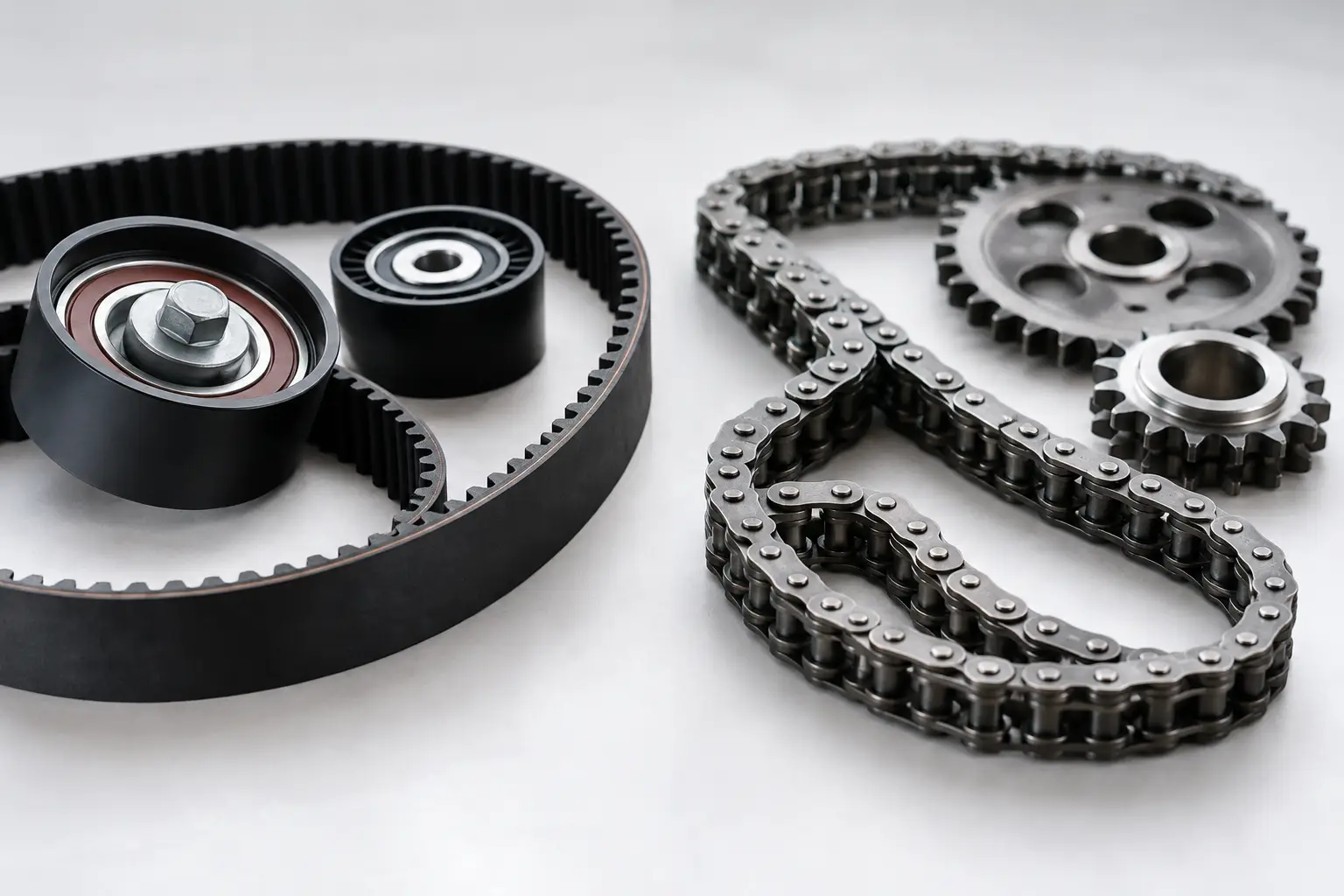
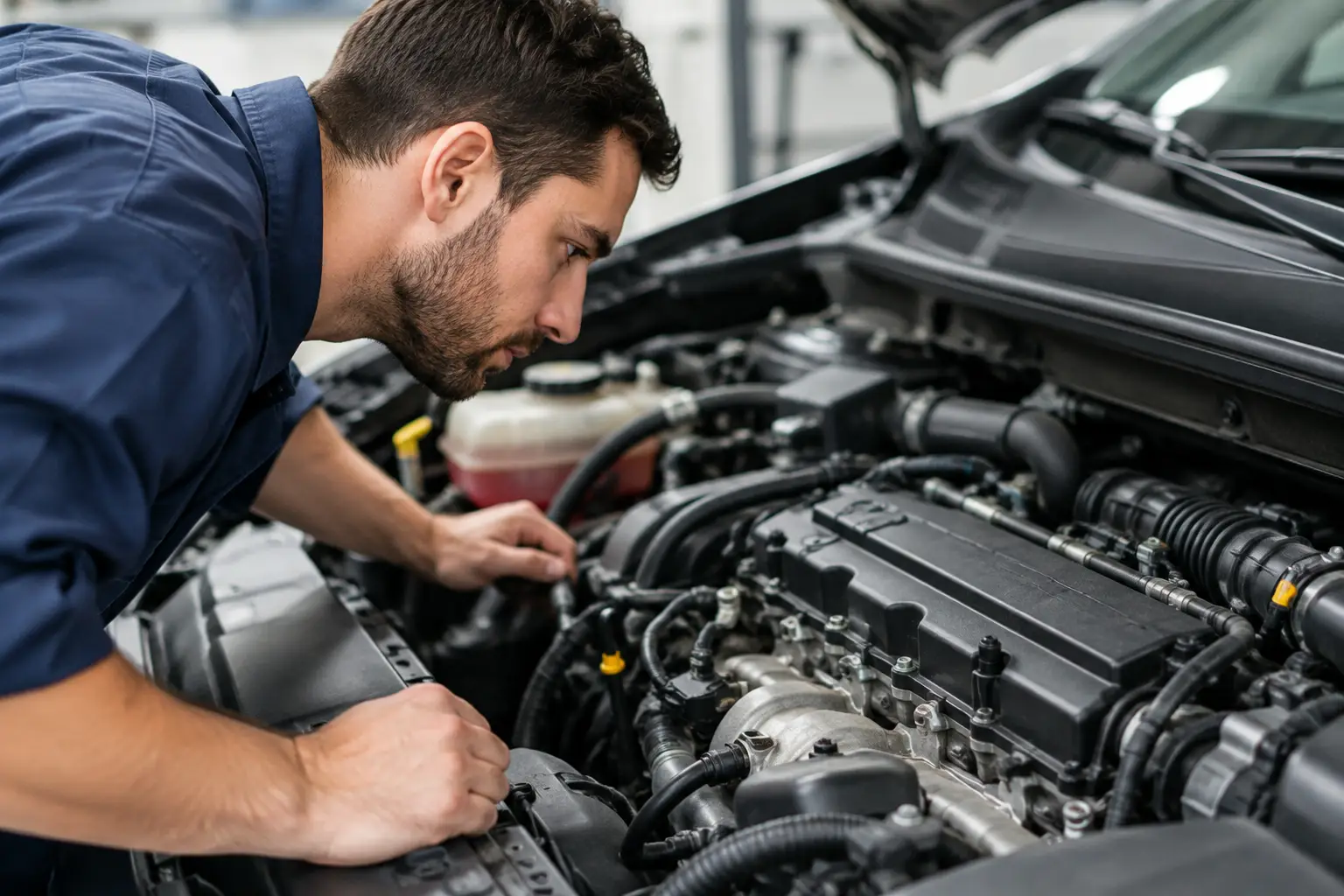
A proper process starts with fault-code scanning, visual checks, fluid inspection, and targeted mechanical testing where needed. Depending on the symptoms, that may include compression testing, cooling-system pressure testing, oil-pressure checks, or inspecting timing components. The repair recommendation should follow the evidence, not a guess.
When Repair Makes More Sense Than Replacement
Many engine concerns can be resolved without fitting a complete replacement engine. Oil leaks from valve-cover gaskets, thermostat faults, ignition misfires, injector issues, failed sensors, and cooling leaks are often repairable when caught early. Even a vehicle that feels seriously unwell may have a specific, contained problem.
The decision changes when there is internal damage, such as severe overheating damage, a cracked block, spun bearings, or widespread low compression. In those cases, repair may still be possible, but the labor and parts cost can approach the price of a replacement engine. A responsible workshop should explain both routes, including the likely reliability, warranty considerations, and total cost of each.
For older vehicles, the sensible answer may be a targeted repair that safely extends the car’s usable life. For a newer German, British, Japanese, American, or performance vehicle, preserving the original engine with the correct parts and procedures can be the better long-term choice. There is no one answer for every car.
Small Symptoms Become Major Repairs in Dubai Heat
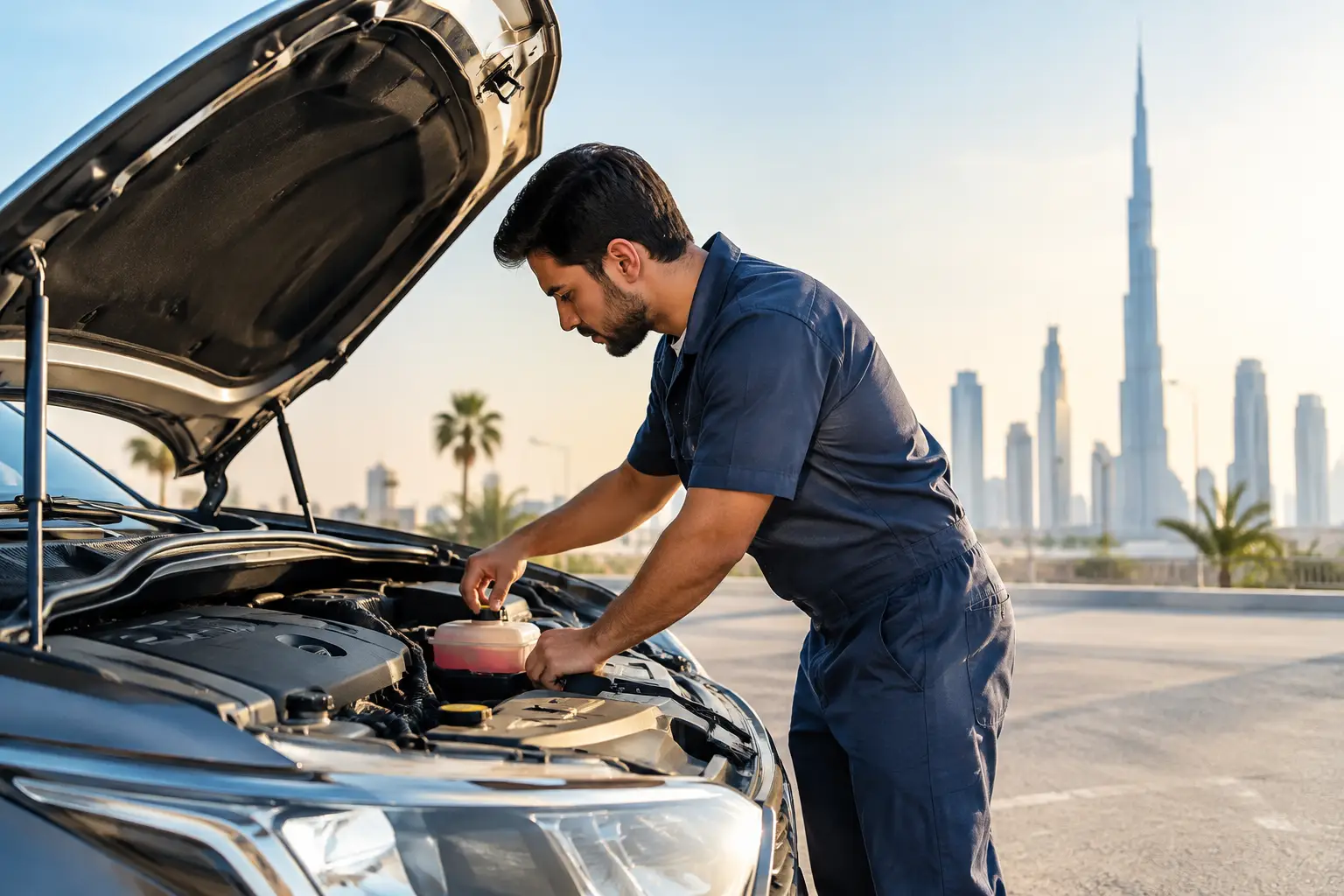
Dubai driving conditions are hard on cooling systems and engine fluids. High ambient temperatures, stop-and-go traffic, long idling, and heavy A/C use place extra demand on hoses, radiators, water pumps, thermostats, and fans. Ignoring a rising temperature gauge or coolant warning can turn a manageable cooling repair into a major engine job.
The same applies to low oil level, burning smells, persistent misfires, or a new metallic noise. Stop driving if the engine is overheating, the oil-pressure warning comes on, or there is loud knocking. Continuing to drive can cause damage that no low-cost repair strategy can reverse.
How to Keep the Cost Under Control
The most practical way to reduce engine-repair costs is to authorize diagnosis before authorizing a long list of parts. Ask for the fault in plain language, the tests used to confirm it, and what happens if the repair is delayed. You should also receive a quote that clearly distinguishes labor from parts.
Part choice matters, too. Genuine parts are often the right call for critical components and newer premium vehicles, while high-grade replacement parts can offer strong value in appropriate applications. What matters is that the workshop tells you what is being fitted and why. A lower parts price is not useful if fitment, reliability, or compatibility is uncertain.
Keeping up with oil changes, coolant checks, and scheduled maintenance is less dramatic than an engine repair, but it is usually far less expensive. For fleets, regular inspections also prevent a minor issue from taking a vehicle out of service at the worst possible time.
Choose Clarity Before the Repair Begins
A fair engine repair starts with a diagnosis you can understand and a price you can review before work goes ahead. Ask questions, request the old parts if components are replaced, and do not feel pressured into approving work that has not been explained.
If your car is showing an engine warning, overheating, rough running, or unfamiliar noise, addressing it early gives you more repair options and more control over the final bill.